The Meeting That Wouldn’t Die: A Field Guide to Corporate Séances in 2026
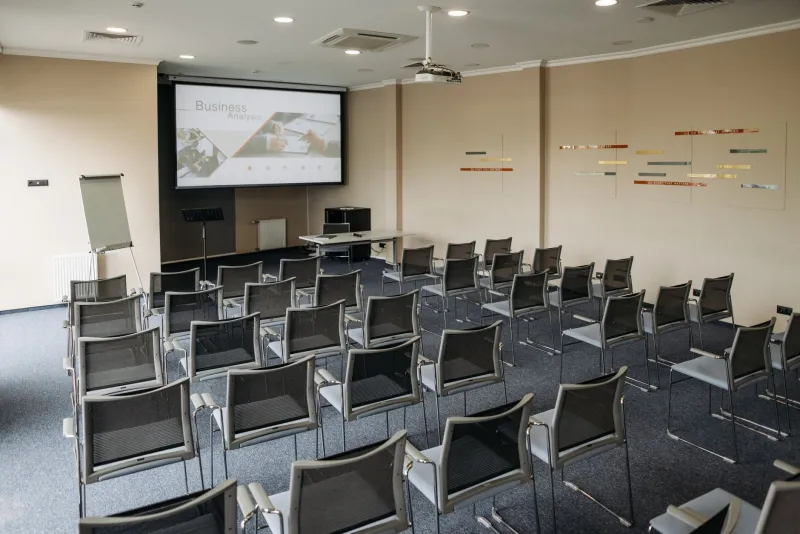
Every Tuesday at 9:00 a.m., Conference Room B fills with people who could be doing real work. Someone says, “Quick sync.” Someone else opens a slide deck last edited during the Carter administration. Forty-five minutes later, the group has agreed to circle back, form a subcommittee, and meet again next week. Nobody decided anything. Congratulations: you just attended a corporate séance.
The Anatomy of a Corporate Séance
A normal bad meeting wastes time. A zombie meeting does something worse: it keeps a dead strategy animated. The agenda hasn’t changed since the initiative lost its pulse. The same five people recite the same updates. Action items are less action and more eulogy. And the phrase “let’s take that offline” is the incantation that sends every useful thought into the void.
Spot the paranormal activity:
- The meeting exists because it has always existed. No charter, no decision, no reason.
- The pre-read is a myth, but the post-meeting recap is a novella.
- Attendees are “required” but spend the hour on mute, doing email.
- Every agenda item ends with “we’ll revisit next week.” That’s not a next step; that’s a haunting.
- The same slide deck appears with a new date and the same unresolved question.
- Someone suggests a “working session” to prepare for the next meeting about the work.
- Decisions require a follow-up meeting, which requires a pre-meeting, which requires a vibe check.
If that sounds familiar, your calendar isn’t a productivity tool. It’s a graveyard with Wi-Fi.
The Zombie Meeting Audit
Run this quick audit on any recurring meeting. Give yourself one point for each yes:
- Does the meeting lack a written purpose beyond “sync” or “alignment”?
- Is there no named decision-maker in the room?
- Could 80% of the information be shared async?
- Do action items routinely roll to the next meeting unchanged?
- Are more than half the attendees silent observers?
- Does the meeting end without a documented decision, owner, or deadline?
- Has anyone tried to cancel it and been met with “but we’ve always met”?
- Is the agenda a copy-paste from last month?
- Does the phrase “circle back” appear more than once?
- Would a well-written memo replace the entire thing?
Score 0–2: Probably alive. Keep it, but stay vigilant. Score 3–5: Early-stage zombie. Reanimate before it spreads. Score 6+: Full séance. Kill it, bury it, and salt the calendar invite.
Triage: Kill, Shrink, or Reanimate
Not every recurring meeting is evil. Some are just badly packaged. Triage:
Kill it if it’s a status update with no decision rights, a standing meeting that exists only because someone was once insecure about visibility, or a “touch base” that produces more follow-ups than outcomes. Replace it with a weekly written update and a shared decision log. If the sky falls, you’ll hear about it—probably in Slack, definitely with an emoji.
Shrink it if there is a real decision but the meeting is bloated. Cut 60 minutes to 25. Invite only people who can decide or contribute. Send the pre-read 24 hours ahead. Start with the decision, not the history of the decision.
Reanimate it if the purpose is valid but the format is corpse-like. Give it a charter: one decision, one owner, required inputs, expected output. Convert the first 15 minutes to silent reading. End with a decision log entry: what we chose, who owns it, when we’ll check it. No decision? The meeting gets canceled next time.
A 2026 Cadence for the Living
A 2026 operating rhythm should look less like a séance and more like a sprint review with better snacks. Start with async as the default: written updates, dashboards, and decision memos. Then add a small number of live conversations where they actually help.
A practical cadence:
- Weekly decision review (25 minutes): only items that need a live call. Pre-read required. End with decisions and owners.
- Monthly operations review (45 minutes): metrics, blockers, and one improvement experiment. No slide karaoke.
- Quarterly strategy session (half day): kill one zombie initiative, fund one live bet, and update the decision log.
- Daily stand-up (10 minutes, optional): only for teams that genuinely need it. If it becomes a status ritual, switch to async.
The rule is simple: every recurring meeting needs a charter, a decision right, and an expiration date. If it can’t produce a decision, it shouldn’t produce a calendar invite.
The Exorcism Checklist
Before you summon everyone to Conference Room B again, ask:
- What decision are we making?
- Who owns it?
- What input is required, and can it be read beforehand?
- What happens if we don’t meet?
- When will we know it worked?
If the answers are “none,” “nobody,” “vibes,” “nothing,” and “never,” you’re not leading a meeting. You’re hosting a séance. Cancel it, write the memo, and let the dead ideas rest. Your team will thank you—and your calendar will finally stop haunting you.